
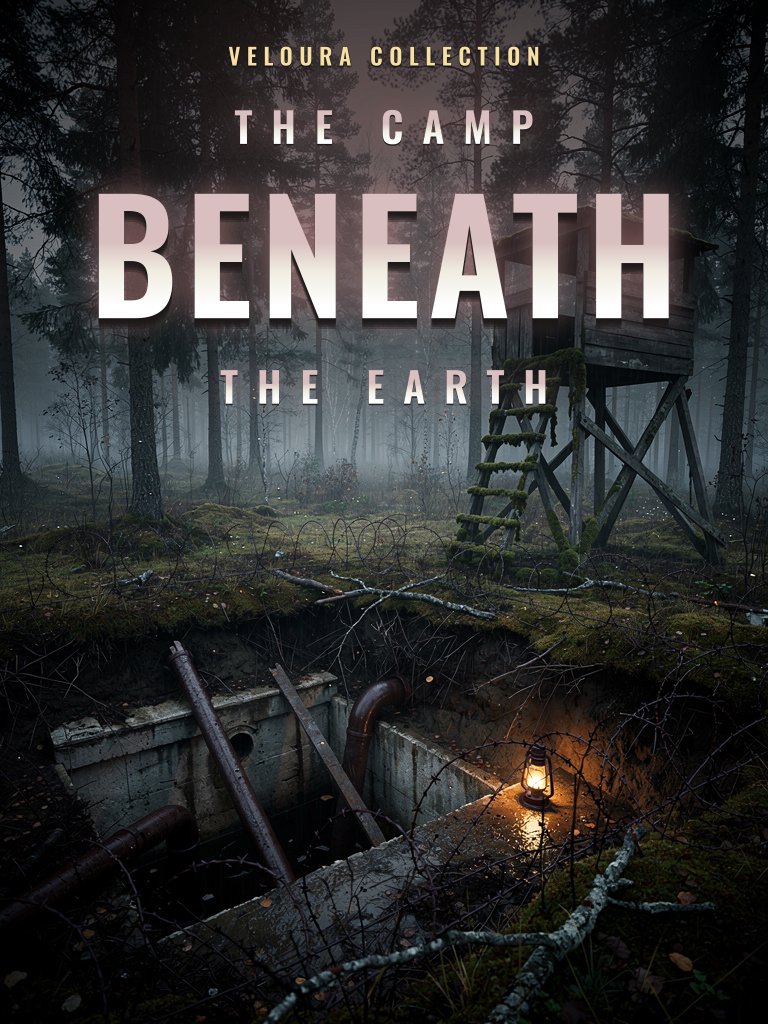
The Door Before the Storm
The smell of the Karelian forest had changed; wet earth had crept into the resin of the pines, as if the ground itself were trembling before the sky had even begun to fall. Through the window of the pickup, Andrei Volkov saw the “Svetly Bereg” sign for the first time: its paint flaking, its letters barely legible. This place, left to him by his uncle, had always lived in his memory beneath summer sun. Now the sky was the colour of lead.
When he climbed out of the vehicle, the first thing he noticed was the harshness of the wind, the second was the sound. Not screaming, but laughter. Children were running between the wooden cabins, fourteen of them, as far as he could count. Yet the season hadn't started; the bookings did not allow for it.
“Who sent these children here?”
His voice sounded strange even to him, hoarse and hard. No one could answer; the man sitting in the administrator's chair only shuffled his papers and muttered something in a flurry. Andrei turned and went into the office.
On the desk lay a dusty notebook, filled with his uncle's handwriting, its cover leather, its edges rotting. He turned the pages and stopped at an entry dated 1944.
> “As they withdrew, the Germans buried something beside the well. This place was a field hospital then. The soldiers were in a hurry; they did not cover the ground properly.”
A mine. The word was not written on the page, but Andrei felt ice fill him; there was a fear between his uncle's sentences, felt even in the slant of the lines.
Just then thunder rolled across the sky and the windows shook. Outside, the children's laughter broke off, and a scream took its place, but this time it was because of the rain, only the rain. Andrei shut the diary and ran for the door.
The wooden bridge over the River Suna went under water before his eyes. The phone line died with a crackle.
The camp, with its children, had been cut off from the world.