
Letters Through the Stencil
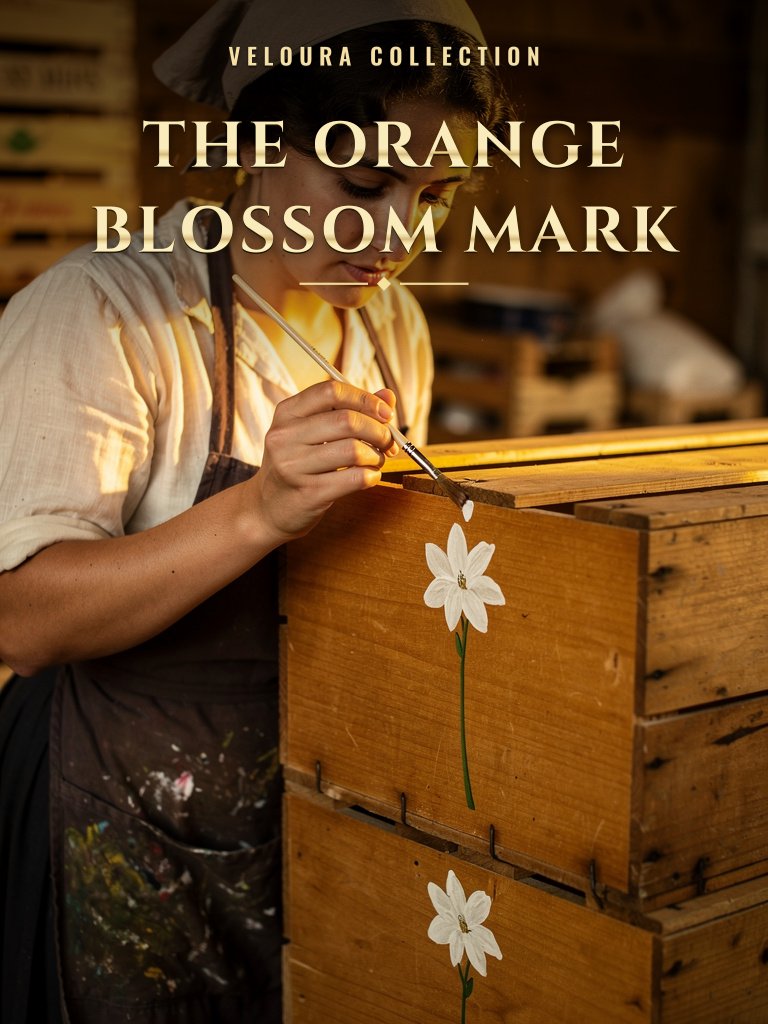
Work had begun before dawn in the citrus shed outside Catania. Rosalia Greco held the stencil against the side of a sealed wooden crate and dipped her brush in dark paint. As she filled the spaces in the letters one by one, the customer's name appeared clearly on the wood. She lifted the stencil and moved to the next crate. The scent of oranges mingled with that of cut wood. Cool morning air came through the open door, and scraps of string and paint-stained cloths lay on the long workbench. Rosalia looked for a clean place to put down her brush.
The pile on the left was large; the one on the right was shorter. To keep the names apart, Rosalia wiped her brush with a cloth each time she moved between piles and left the stencils at opposite ends of the bench. The crate lids had already been nailed shut. Looking inside would no longer help sort them; fruit picked that same morning had gone into both orders.
Lidia Barone tossed her dark braid behind her shoulder and counted in front of the piles. She checked the crates in the larger order first, then those in the smaller one, one by one. When the numbers matched, she tapped the bench with her finger to let Rosalia know.
“The right side is complete. Nothing missing on the left either,” she said.
Rosalia looked at the edge of the last name. The paint was still wet; if the crates were pushed together and stacked immediately, the letters might smear. She wanted to leave them spaced apart for a while. Lidia indicated the order in which the crates would go out to the loading yard; the two piles would be carried through the same wide door, not separate ones.
Foreman Nino Caruso took a cloth from the pocket of his brown waistcoat and wiped his hands. Horses with their harnesses ready and two freight carts waited in the enclosed yard. They had to reach the loading place by the railway by noon.
“Once the paint is dry, don't wait. Fill the carts and let's get going,” he said.
Rosalia stood the stencils upright at the edge of the bench. She caught Lidia's eye and indicated the piles again: the large order on the left, the small one on the right. Everyone needed to know the distinction, she thought. When the wooden creak of the first empty cart came from the yard, she put down her brush and watched the loading without leaving the crates.